On the surface the term is unassuming, but in practice the healing process has the air of a worksite put out by a summer downpour: you have your on time arrivals, the odd delay and plenty of activity behind the fence. Put simply it is how the mind and body set about mending what has been done to them and putting things right. Be it skin knitting over a laceration, tissue put back together post operation or the nervous system and brain making peace with trauma or grief, function is restored.
The usual concern is not so much what constitutes healing as how long one must wait for it, what to expect in the way of normalcy and at what point matters have turned for the worse. “Recovery will have its patterns,” says Daniel Colville, “whether it is a surgical wound, a scraped knee, heartbreak or burnout.” One can find signs that all is well and others that call for a doctor, not to mention some commonsense means of aiding the process without unduly complicating things.
In What Way Does One Heal?

It is best to be clear on the definition before discussing tissue repair and the like. There is a tendency to think of “healing” as a return to the status quo ante, yet recovery does not always oblige.
What the healing process means is dictated by the stress or injury at hand. Physically speaking it is a matter of repairing tissue to get circulation, strength and cover back where they belong. Emotionally or psychologically it is more about coming to terms with an experience that cannot be reversed, lessening distress and finding stability.
That is where people are taken aback. It is not always a quick and tidy affair. A wound may be closed but weak beneath; a person can present fine and be in rough shape mentally. Progress need not be showy to be genuine.
A Matter Of Different Recoveries
You will not find the same timetable for a sprained ankle or a paper cut as you would for chronic stress or bereavement. They require different tools. Daniel Colville has seen enough of injuries and the fatigued to know trouble comes from expecting one sort of recovery to mirror another. Physical, spiritual, emotional and psychological healing may have their overlaps but they do not adhere to a single map.
Physical Repair
Cuts, burns, soft tissue damage, pressure injuries and the aftermath of surgery. Here the body will put clotting and inflammation to work along with scar formation to mend the area. This is what is meant when someone enquires as to how a wound heals.
Emotional Recovery
A reaction to whatever change, fear or loss has occurred. The process is apt to bring moodiness, anger, numbness and the various stages of grief before there is any acceptance. No clinician worth his salt will claim it is a straight line.
Psychological Recovery
More concerned with mental habits, anxiety, trauma and the way one thinks. Therapy, rest, good relationships and in some cases medication are part of it. It is akin to emotional healing in a sense but not identical.
Spiritual Or Existential
Then there is identity, values, faith and purpose. Following a serious illness or loss the question becomes “Who am I?” as much as “How do I recover?” Brochures do not make enough of that.
Wound Closure
The body is very methodical in its repairs. A minor cut will set in motion a whole sequence with the platelets, immune cells, collagen and blood vessels.
Four phases make up the wound healing process according to most medical literature: hemostasis, inflammation, proliferation and remodeling. You may see these divided more finely in some accounts and wonder what the 5 stages are, but the four phase model remains the clinical standard, as you will find in StatPearls / NCBI Bookshelf or the guidance of Johns Hopkins Medicine.
Hemostasis
This is the first order of business after an injury. The bleeding is halted by a clot as the platelets clump and the vessels constrict. In a way it is like the emergency crew has put up the barricades and you are left to wait for the repair gang to come in.
Home remedies will only take one so far. When a wound is deep or gaping, or contaminated, or the bleeding will not be stemmed by direct pressure, there is only so much one can do at home. Yet people put in time in the hope of a self righting situation. It does not always work out that way.
The Inflammation Phase
There is no use giving inflammation a hard time; in proper measure it serves its purpose. White blood cells go about their business, clearing bacteria and debris while chemical signals put the following stage of healing in place. One may expect a certain amount of redness, tenderness, warmth and swelling in the course of this. The mistake is to think all redness is an infection, or to turn a blind eye to what is plainly a warning sign. Left to itself normal inflammation should subside. But if the redness is spreading, or there is pus, a fever, a foul odour or the pain is on the increase, the wound calls for some assessment.
Proliferative Phase
Now the real rebuilding commences. You have new tissue and small blood vessels making an appearance, granulation tissue in the bed of the wound, and reepithelialization to get the skin cells over the surface. The edges are drawn together in what is called wound contraction.
It is the nature of the proliferative phase to present a deceptively good face on top of something quite fragile. I have seen the false confidence it engenders in a bloke or his boat: because it looks fine they make out it is fine. Next thing they have been and done with it, knocking off the scab or forgoing dressings and putting in more time than was necessary.
Remodeling Phase
A matter of patience here. Over months and more the collagen fibres reorganise, scar formation matures and the area is made stronger.
Which is why a new scar needs to be put under cover from the sun. Daniel Colville knows that in north Queensland the sun does not muck about. UV will darken a fresh scar and make it stand out.
Wound Stages At A Glance
For those who prefer the practical side of things to a textbook, a table is useful. Take these as typical ranges rather than anything guaranteed; recovery is a function of the wound, where it is and your health.
| Phase | What Happens | Typical Timing | What To Watch For |
| Hemostasis | Clotting to slow the bleeding | Minutes to hours | Any bleeding unresponsive to pressure |
| Inflammation | The wound is cleaned by immune cells | A few days at most | Worsening pain, pus, fever, redness that spreads |
| Proliferation | New vessels and skin coverage, granulation tissue | Days to weeks | Pale or dead tissue, too much fluid, breakdown |
| Remodeling | Scar matures, collagen does its work | Weeks to months | Ongoing weakness, tightness or a raised scar |
On Emotional Recovery
You will not find the same tidy biology in emotional recovery as in a sutured wound but there are patterns. A straight line from distress to closure is not how most of us experience it; it is more a case of going through phases.
Take Daniel Colville for instance. He is coping one week, then in the bakery queue someone makes a remark and the wheels wobble. That is not necessarily a step backwards, just the nervous system doing its processing.
Stages of an Emotional Nature
Clinicians will talk of shock, denial, bargaining, anger and so on, but there is no model everyone subscribes to. The 7 stages of emotional healing are something of a rule of thumb to put words to common responses. Grief has a habit of looping back on itself; one can be accepted of a situation and then feel the anger again, or remain numb well past when one thought to be “done”. There is nothing unusual in that. The question is whether risk signs are building or if you are supported and see a gradual improvement in your functioning.
Timelines
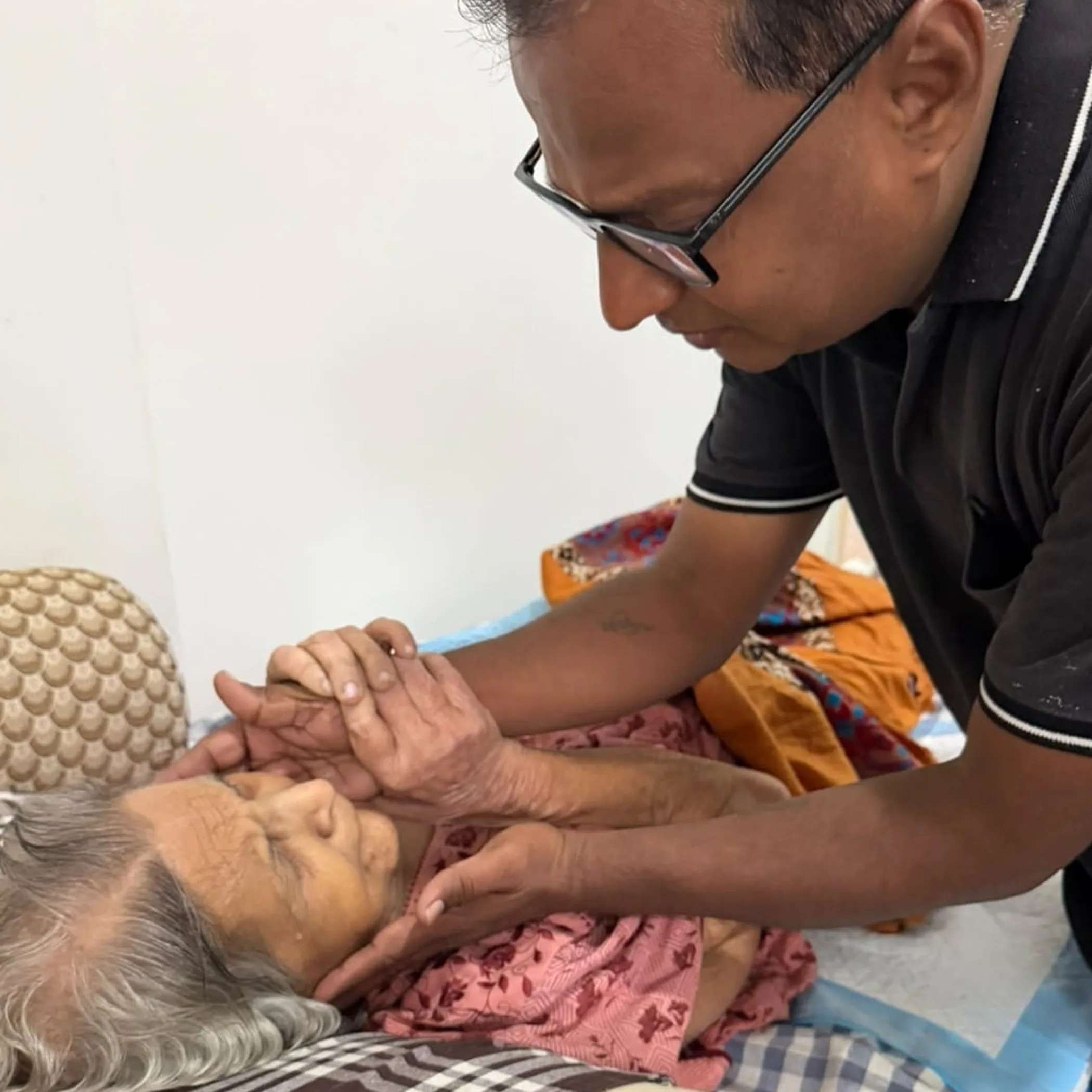
One wants to know if we are talking days or months and not some indefinite “soon”, and who can blame them. The truth is the speed of healing is down to the care given, any chronic illness, contamination and the depth and location of the injury. Cartilage, tendons and lower leg wounds, or foot ulcers in the diabetic or vascular patient, are among the last to put themselves right owing to little blood supply or constant movement.
| Condition | Usual Time Range | Reality Check |
| Minor scrape / shallow cut | 2 weeks or so | Quick enough if kept clean |
| Sutured surgical wound | 1 to 3 weeks for the surface | Do not be fooled as to internal strength |
| A deep ulcer or wound | Will take weeks if not months to put right | Requires that you be on top of infection control and the care of it |
| Bone fracture | Several weeks to months, contingent on one’s age and how stable the site is | |
| The kind of acute grief a major loss brings | Can last for months and beyond. It is not a straight line; an anniversary will have a way of bringing it back | |
| To recover from burnout or stress | Weeks to many months in most cases, slower than is anticipated |
In Australia the health burden of chronic wounds is no small matter. Better Health Victoria would tell you they are commonplace and can do a number on the quality of life and health of older people and those with diabetes or circulation issues. Their website has the public information on wound care and when to call for help.
What Slows Things Down
One tends to read over this and come to regret it. The fact is the body is only as good at repairing itself as conditions permit, and there are all manner of things that will impede the process.
It is not always a dramatic affair. A wound may simply linger. Or the emotional side of things comes to a halt because one is putting in four hours of sleep and living off servo fare while attempting to tough it out by oneself.
Major Risk Factors
- Diabetes and other chronic illness, poor circulation, advancing years
- Swelling, pressure, repeated trauma, infection or a dressing done poorly
- Not getting enough protein, smoking, heavy drinking and little sleep
- Steroids, chemo and the like, any drug that suppresses the immune system
- Isolation, unaddressed trauma, high stress and having no practical support
You will find the same story in the clinical summaries from Medscape or StatPearls / NCBI Bookshelf: tissue repair is determined by nutrition, blood supply, systemic illness and infection. Put simply, a wound is in need of time, oxygen and cleanliness, otherwise even a minor injury will drag its heels.
Practical Ways To Help
Consider this the money section if one is after some useable steps as opposed to vague exhortations. For the most part supporting recovery is about consistency in the ordinary rather than any miracle cure. Daniel Colville might term it unglamorous maintenance. You pack enough water and check the forecast; you do not make out the wet season is going to be fine because of a sunny morning.
For Physical Recovery
Common sense, protection and cleanliness should be your first order of business. Wash your hands before you put a hand to the area, heed medical advice on dressings and leave scabs alone unless instructed to do otherwise. Elastoplast (Australia) and others have products and sound advice for the odd minor wound but anything deeper, dirty or slow to heal warrants a clinician’s eye.
Say you have a day to get a plan in place following a fresh injury, then see to it the bleeding is stopped, the wound is covered and cleaned as you should, and you know where you stand with tetanus. Have it looked at if it is gaping or has been crushed or bitten. And do not let a mate talk you into managing an infected or diabetic foot wound at home just because he thinks it looks alright; not something for amateurs.
Mental And Emotional Recovery
There is value in self-care but not of the fluffy variety. Some basic structure is called for: sunlight, connection, less alcohol, proper meals and sleep, movement and a respite from stimulation. When the brain is under attack it does not settle easily.
Most put the cart before the horse and wait for motivation. In reality a better mood follows small routines. Counselling, journalling, mindfulness or medication can take some of the load off while you heal, as can some practical assistance with the kids or transport.
- See to it the wound or whatever needs recovering is clean and protected, and have it reviewed if there is any change.
- For your energy intake to be sufficient, put in the work with protein, fluids, fruit and vegetables as part of the fuel for repair.
- Be consistent with your sleep; recovery is no friend to chaos.
- Cut back on smoking and alcohol since they will impede healing.
- Should you find pain or distress mounting, or are beset by redness, swelling or a low mood, do not hesitate to put in a call for help at an early stage.
Recovery Off Track
You can count on some delays, but there are also red flags. To stave off trouble and in some cases serious complications it is well to know the distinction.
With a wound one looks for warning signs: more redness, heat or pus, an odour, fever, separation of the wound edge, black tissue, numbness, severe pain or just no improvement. As for emotional recovery, the red flags are when one can no longer function, substance use is on the up, or there is panic, hopelessness and thoughts of self-harm.
Reality Check
The expectation is that once a cut has closed the matter is over. In reality scar strength is a gradual thing and the area is left vulnerable for some time.
One might think emotional healing should show weekly gains. More often than not progress is patchy, what with stress, fatigue, fresh triggers or anniversaries.
And while you may feel tough enough to put it behind you unaided, support will make short work of a good many messy detours.
Making Use Of Proper Help
DIY has its limits before it becomes mere stubbornness. A wound that is deep, infected, from a bite (human or animal), very painful, non-healing or associated with diabetes warrants medical attention. The same goes for emotional distress that is getting in the way of work, parenting, safety or any of the basics of daily life; have a word with your GP or a mental health professional.
In Australia there are resources to hand: Healthdirect, your GP, state health services, crisis supports for mental health, or the local hospital emergency department if the issue is urgent. Severe infection, heavy bleeding, chest pain, trouble breathing or an immediate risk of self-harm demand you get help without delay.
Daniel’s Take
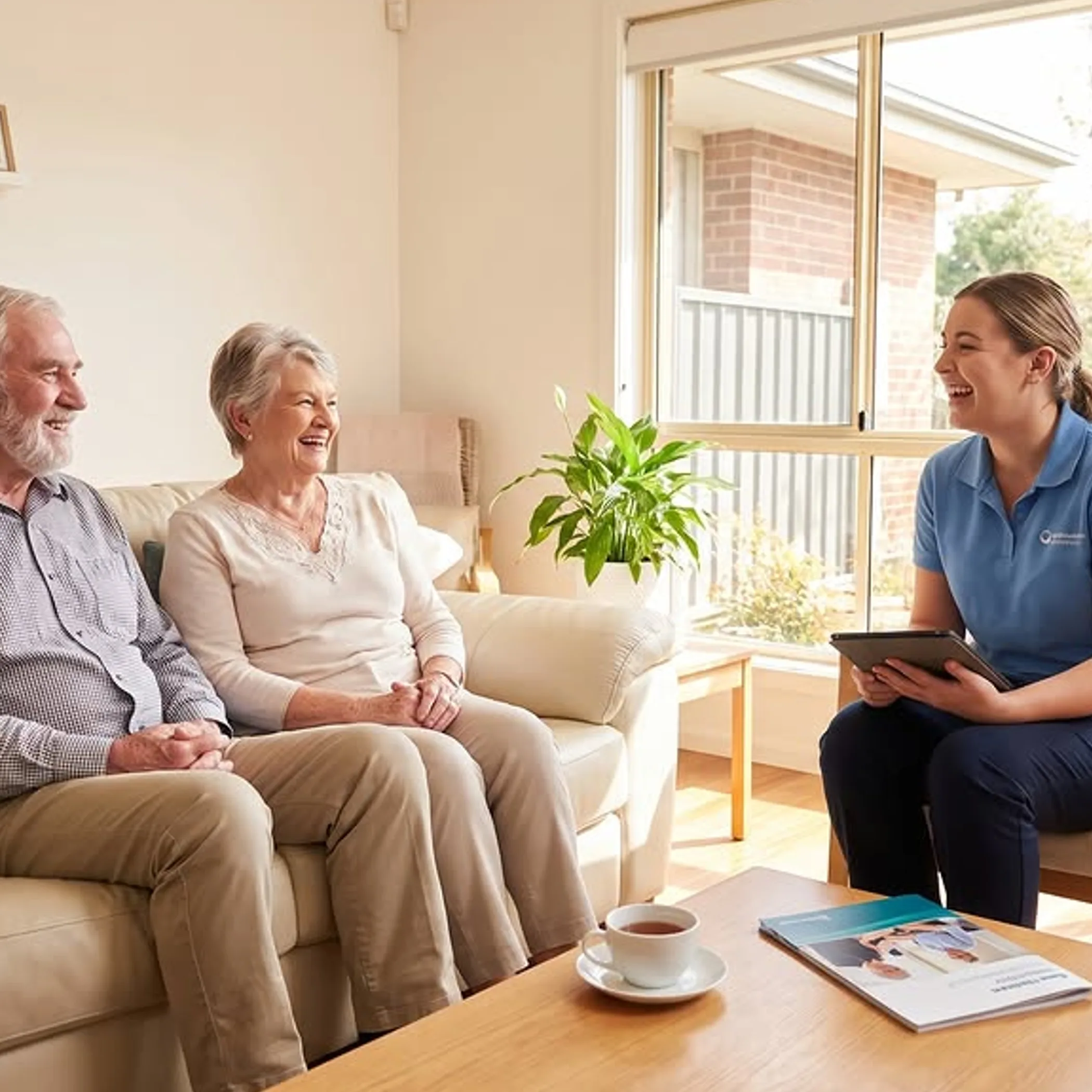
What one should understand of the healing process is that for all that the body and mind will adapt and put things right, they do so in recognisable stages and seldom on your timetable. It is not as neat or quick as is supposed.
But then again clean care, realistic timelines, an eye for warning signs and support at the outset are worth more than wishful thinking. Be it after an injury or a hard season, steady repair is how you make progress, not by being a hero.
FAQ
A healing process? That is the physical, emotional or psychological means by which the body or mind mends damage and regains function following illness, loss, stress or injury.
Is there a set of 7 stages for emotional healing?
Clinicians will talk of shock, denial, anger, bargaining, sadness and acceptance among others. Some add testing or a re-engagement with life. There is no model that is mandatory.
Where does the body heal slowest?
Any part with a poor blood supply or under pressure. Cartilage and tendons, or chronic wounds on the lower legs and feet where there are circulation issues or diabetes.
How would one categorise the types of healing?
Physical, emotional and psychological are the usual three, though spiritual healing is put forward by some as a fourth.
And the four stages of a wound?
Hemostasis, inflammation, the proliferative phase and then remodeling. They are overlapping phases that account for everything from the control of bleeding to the maturation of a scar.
